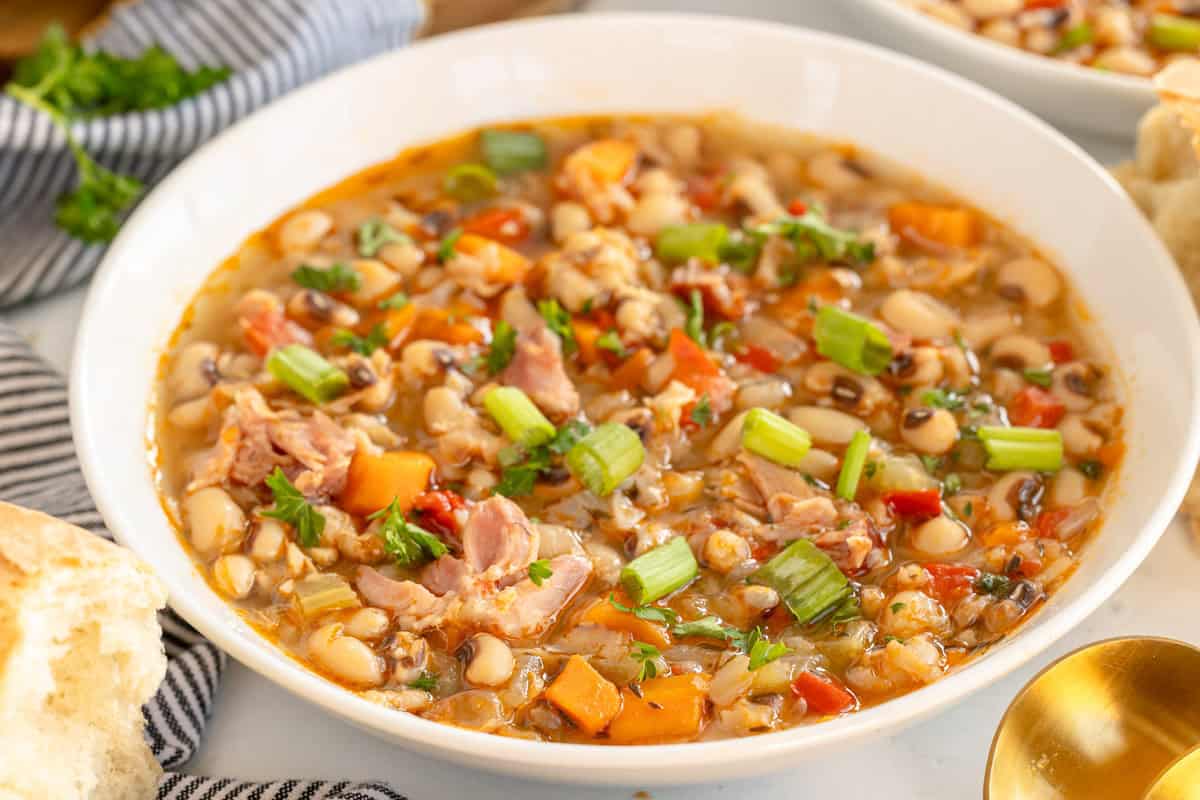
Mastering Black Eyed Pea Soup: Broth, Spices & Hearty Goodness
There are few dishes that can transport you across continents while simultaneously offering a taste of home. Black eyed pea soup is one such culinary marvel, a truly nourishing bowl that adapts seamlessly to diverse palates and traditions. Whether you're seeking a warm embrace on a chilly evening, a wholesome weeknight meal, or a dish steeped in cultural significance, this versatile legume offers a comforting and deeply satisfying experience. Far from being just a simple stew, mastering black eyed pea soup involves understanding the interplay of its core components: the foundational broth, the aromatic dance of spices, and the hearty additions that elevate it from humble ingredients to a culinary triumph.The Humble Black Eyed Pea: A Culinary Canvas
At the heart of any great black eyed pea soup lies the black-eyed pea itself. These unassuming legumes, with their characteristic dark 'eye,' possess a wonderfully mild, earthy flavor. This subtlety is precisely what makes them an ideal canvas for a symphony of other ingredients. Unlike more assertive beans, black-eyed peas readily absorb the flavors they're cooked with, allowing other elements to shine while contributing a satisfying, tender texture. Culturally, black-eyed peas hold a special place. In Greece, they are known as *mavromatiká*, a staple celebrated in home kitchens, particularly on the island of Crete and in the Peloponnese. Here, they are often prepared as a *ladero*, a vegetable-forward dish gently cooked in olive oil until tender and deeply flavorful. Across the Atlantic, particularly in the Southern United States, black-eyed peas are more than just food; they are a symbol of prosperity and good luck, traditionally eaten on New Year's Day to invite wealth in the coming year. This rich dual heritage underscores their universal appeal as a source of both sustenance and comfort. For a deeper dive into these fascinating cultural roots, explore From New Year Luck to Nourishing Ladero: The Black Eyed Pea Story.Crafting the Perfect Broth: The Heart of Your Soup
The broth is arguably the single most impactful ingredient in your black eyed pea soup, dictating its fundamental character and depth. The choice of broth allows for incredible flexibility, catering to various dietary preferences and flavor profiles:- Vegetable Broth: For a light, vibrant, and entirely vegan-friendly soup, a good quality vegetable broth is essential. It allows the natural flavors of the black-eyed peas and accompanying vegetables to truly shine. Opt for low-sodium options to control the seasoning yourself.
- Chicken Broth: If you're looking to add a layer of savory richness without overpowering the dish, chicken broth is an excellent choice. It provides a comforting depth that makes the soup feel more substantial and indulgent.
- Smoked Ham or Pork Hock Broth: This is where traditional Southern-style black eyed pea soup often finds its signature smoky, deeply savory dimension. Simmering a smoked ham hock or a piece of smoky bacon with your aromatics creates a broth that is incredibly complex and utterly irresistible. This method introduces a slow-building warmth and a velvety richness that is hard to replicate. If using, remember to adjust your salt content carefully, as smoked meats can be quite salty.
A Symphony of Spices & Aromatics: Building Flavor Layers
Once your broth is chosen, the next step in mastering black eyed pea soup is the strategic layering of aromatics and spices. These elements transform simple ingredients into a complex, satisfying meal.Start with a robust base of aromatics sautéed gently in a generous glug of olive oil – a nod to the Greek *ladero* tradition. Onions and garlic are non-negotiable, providing a foundational sweetness and pungent warmth. Fennel, a key player in many Cretan-inspired versions, adds a subtle anise-like sweetness and a delightful fragrance that complements the mildness of the peas beautifully.
For spices, the possibilities are vast, but a few stand out:
- Smoked Paprika: This is a game-changer, especially in Southern-style soups. Its smoky depth adds an incredible warmth and complexity that permeates every spoonful.
- Thyme: Earthy and herbaceous, thyme is a classic companion to legumes and vegetables, lending a cozy, aromatic quality.
- Bay Leaf: A bay leaf simmered with the soup adds a subtle, almost floral note that enhances overall depth. Remove before serving.
- Red Pepper Flakes: For those who enjoy a little kick, a pinch of red pepper flakes can provide a gentle heat that awakens the palate without overwhelming the other flavors.
Beyond the Basics: Adding Hearty Goodness & Freshness
- Tomatoes: Whether fresh, diced, or crushed, tomatoes add a crucial element of acidity and umami, deepening the soup's overall flavor profile. They also contribute a lovely color.
- Leafy Greens: This is where the soup gets much of its hearty goodness and nutritional boost.
- Spinach: Tender and quick-cooking, spinach wilts beautifully into the soup, adding a vibrant green hue and a dose of vitamins.
- Collard Greens: A staple in Southern black eyed pea soup, collard greens offer a slightly bitter, robust flavor and a satisfying texture. They require a longer simmering time than spinach, so add them earlier in the cooking process.
- Other Greens: Don't limit yourself! Kale, Swiss chard, or even amaranth greens (like Greek *vlita*) can be fantastic additions.
- Other Vegetables: Carrots and celery, chopped finely, can be sautéed with the onions to build an even richer aromatic base. Bell peppers, especially red or yellow, can add sweetness and a pop of color.
