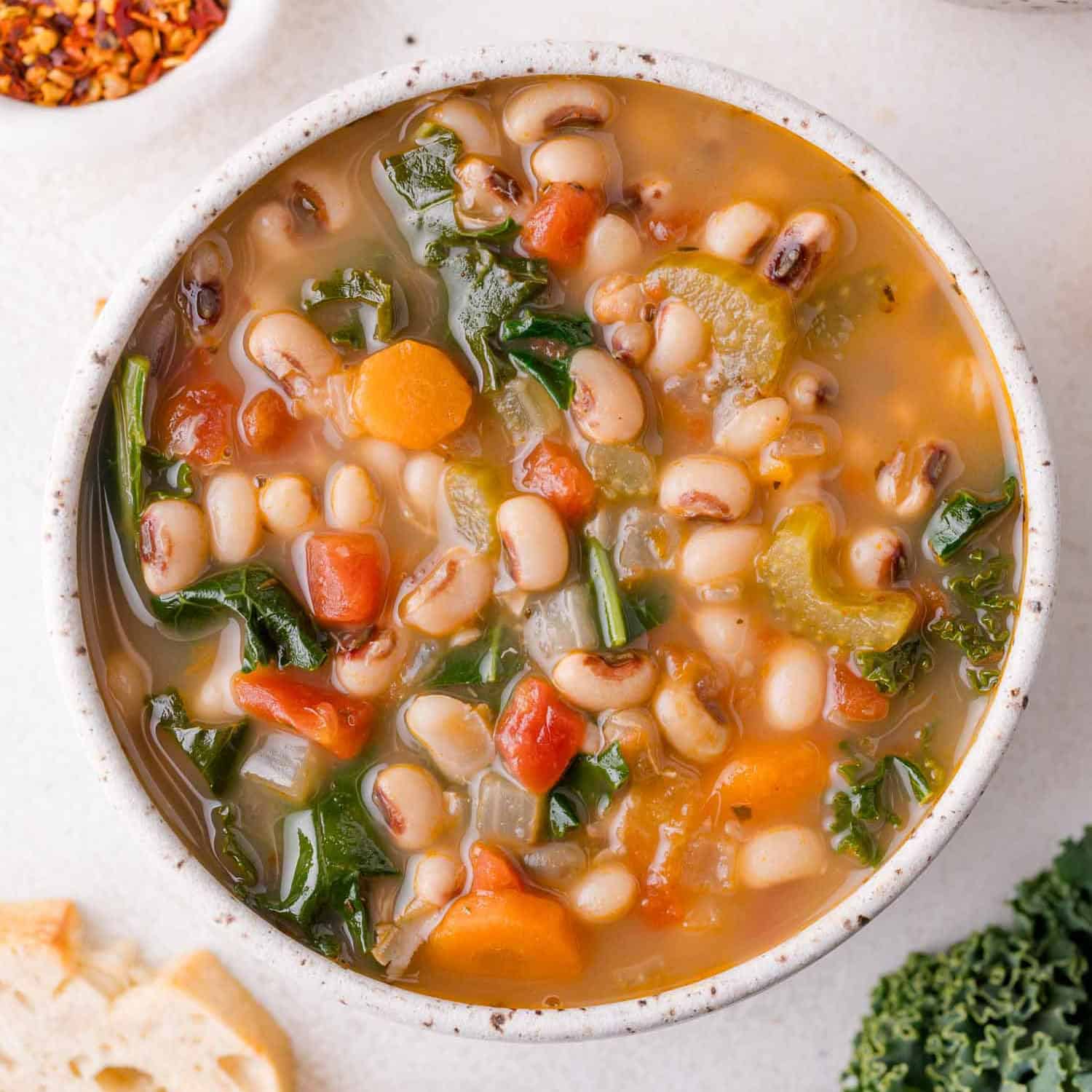
Black Eyed Pea Soup: Southern Comfort Meets Greek Mavromatika
Black eyed pea soup – the very name evokes images of wholesome goodness and deep-rooted traditions. While many might immediately associate this hearty legume with the American South, a symbol of New Year's prosperity and a dish of profound comfort, its culinary journey stretches far beyond. Across the Atlantic, particularly in Greece, the humble black-eyed pea takes center stage in _mavromatika_, a nourishing and aromatic dish that showcases the Mediterranean diet's elegance. This article delves into the fascinating world of
black eyed pea soup, exploring its diverse cultural interpretations and offering insights into how this versatile legume forms the perfect canvas for a truly satisfying meal. Whether you seek the smoky depth of a Southern classic or the bright, herbaceous notes of a Greek _ladero_, black eyed peas promise a bowl brimming with flavor and health.
The Humble Black Eyed Pea: A Canvas for Global Flavors
At its core, the black-eyed pea is a mild-flavored legume, deceptively simple yet incredibly adaptable. This inherent subtlety is precisely what makes it such a cherished ingredient, allowing it to absorb and amplify the distinct culinary profiles of different regions. Beyond its agreeable taste, black-eyed peas are a nutritional powerhouse. Rich in fiber, protein, and essential micronutrients, they contribute to a deeply nourishing meal that satisfies without being heavy.
In the United States, especially across the Southern states, the black-eyed pea has transcended its role as mere food. Here,
black eyed pea soup, or Hoppin' John, is much more than a meal; it's a cherished New Year's tradition, believed to usher in wealth and good fortune for the year ahead. Cooked with collard greens (representing money) and often served alongside cornbread, this ritualistic meal is steeped in history and folklore. The Southern rendition typically features a robust, savory flavor profile, often incorporating smoked meats like ham hocks, warming spices such as smoked paprika and thyme, and a base of rich broth. This combination creates a "slow-building warmth" that is both grounding and deeply satisfying.
Conversely, in Greece, particularly on the island of Crete and throughout the Peloponnese, black-eyed peas are celebrated as _mavromatika_ – literally "black eyes." This traditional preparation is a quintessential _ladero_, a vegetable-forward dish gently cooked in abundant olive oil until the peas are tender and deeply flavorful. Greek _mavromatika_ emphasizes simplicity and the natural goodness of its ingredients. It often features fresh, vibrant flavors like lemon, aromatic herbs, and leafy greens such as spinach or wild amaranth greens (_vlita_). While some regional variations might include a touch of slow-cooked tomato, many traditional recipes maintain a clear, bright, and lemony broth, allowing the delicate sweetness of the peas to shine. This preparation is especially beloved during the Lenten season, offering a wholesome and meatless option.
Crafting Your Black Eyed Pea Soup: Bridging Two Worlds
The beauty of
black eyed pea soup lies in its versatility, allowing home cooks to traverse culinary landscapes and blend influences. Imagine combining the soulful depth of Southern cooking with the vibrant freshness of the Mediterranean. Here’s how you can craft a truly unforgettable bowl:
*
The Foundation – Peas and Aromatics: Start with quality black-eyed peas. While dried peas require soaking (and cooking time varies), canned peas offer convenience. The choice of aromatics sets the stage. For a Southern-inspired soup, build flavor with sautéed onions, garlic, and perhaps bell peppers. To lean towards _mavromatika_, fennel (whose subtle sweetness complements the peas beautifully) and fresh garlic are key.
*
The Liquid Gold – Olive Oil: Extra virgin olive oil is non-negotiable, especially when aiming for a Greek-inspired soup. It's not just a cooking fat; it's a flavor enhancer and a core component of the dish's identity. For Southern versions, a touch of bacon fat or another cooking oil can be used, but a generous drizzle of good olive oil at the end will elevate any bowl.
*
Greens for Goodness: Both traditions embrace leafy greens. Southern versions often feature hearty collard greens, which add a pleasant bitterness and essential nutrients. Greek-inspired soups typically use fresh spinach, which wilts beautifully into the broth, or even wild greens.
*
The Broth – A Flavorful Decision: The broth choice significantly impacts the final flavor profile. Vegetable broth is excellent for a lighter, vegan-friendly soup, allowing the natural flavors of the peas and vegetables to come forward. Chicken broth adds a layer of richness. For that quintessential Southern depth, a smoked ham broth or even a ham hock simmered directly in the soup provides an unparalleled savory dimension. To learn more about selecting the perfect broth and spices for your soup, dive into our detailed guide:
Mastering Black Eyed Pea Soup: Broth, Spices & Hearty Goodness.
*
Tomatoes – The Universal Bridge: Tomatoes, whether fresh, crushed, or diced, provide a wonderful bridge between these two styles. Slow-cooked tomatoes add depth and a hint of sweetness to both Southern and Greek versions, creating a richer body for the soup.
*
Spices and Seasonings: Here's where regional accents truly shine. For a Southern kick, think smoked paprika, a pinch of cayenne, dried thyme, and bay leaves. For a Greek touch, fresh dill or parsley, a generous squeeze of lemon juice at the end, and perhaps a touch of dried oregano will brighten the flavors. Always remember to taste and adjust seasonings throughout the cooking process.
*
Cooking Methods: Whether you prefer the low and slow method of a Dutch oven or Crock-Pot, or the speed and convenience of an Instant Pot, black eyed peas are incredibly adaptable. Each method coaxes out the earthy sweetness of the peas and the depth of the aromatics in its own unique way.
Beyond the Bowl: Black Eyed Peas as a Cultural Tapestry
The enduring popularity of the black-eyed pea in such disparate culinary traditions speaks to its fundamental appeal: it's a humble ingredient that, with care and thoughtful preparation, transforms into something profoundly comforting and satisfying. In both the festive American New Year and the reflective Greek Lenten season, black-eyed peas symbolize more than just sustenance; they represent tradition, community, and the timeless human desire for nourishment – both physical and spiritual.
This leguminous journey, from the plantations of the American South to the sun-drenched islands of Greece, highlights how simple, wholesome ingredients can become deeply woven into cultural identity. The black-eyed pea’s story is a testament to the power of food to connect us to our past, our communities, and to the universal joy of a well-prepared meal. Discover more about the rich history and cultural significance of black-eyed peas around the world in our article:
From New Year Luck to Nourishing Ladero: The Black Eyed Pea Story.
Essential Tips for the Perfect Black Eyed Pea Soup
Creating a truly exceptional
black eyed pea soup is within reach for any home cook. Here are some essential tips to elevate your culinary creation:
1.
Sauté Aromatics Thoroughly: Don't rush this step. Allowing onions, garlic, and other foundational vegetables to soften and sweeten slowly builds a deep flavor base.
2.
Quality Olive Oil Matters: Especially for Greek-inspired versions, using a high-quality extra virgin olive oil enhances the flavor and provides healthy fats. Don't be shy with a final drizzle before serving.
3.
Don't Overcook the Peas: Black-eyed peas should be tender but still hold their shape, not turn into mush. Monitor cooking time, especially if using pre-soaked or canned peas.
4.
Balance Flavors with Acidity: A squeeze of fresh lemon juice or a dash of vinegar (like apple cider vinegar for Southern styles) at the end brightens the entire dish and balances richness.
5.
Fresh Herbs for Finish: A sprinkle of fresh parsley, dill, or cilantro just before serving adds a burst of color and a fresh aromatic lift.
6.
Season in Layers: Season with salt and pepper as you go, rather than all at once at the end. This allows flavors to develop more harmoniously.
In conclusion,
black eyed pea soup is far more than just a simple dish; it’s a culinary bridge connecting continents and traditions. From the hearty, smoky bowls that grace Southern tables, promising luck and prosperity, to the vibrant, olive oil-rich _mavromatika_ of Greece, offering a taste of Mediterranean purity, black-eyed peas demonstrate their incredible versatility and enduring appeal. Whether you choose to honor one tradition or create your own fusion, this nourishing and comforting soup is a testament to the power of humble ingredients prepared with care and love. So, gather your ingredients, fire up your stove, and embark on your own delicious journey with black-eyed peas.