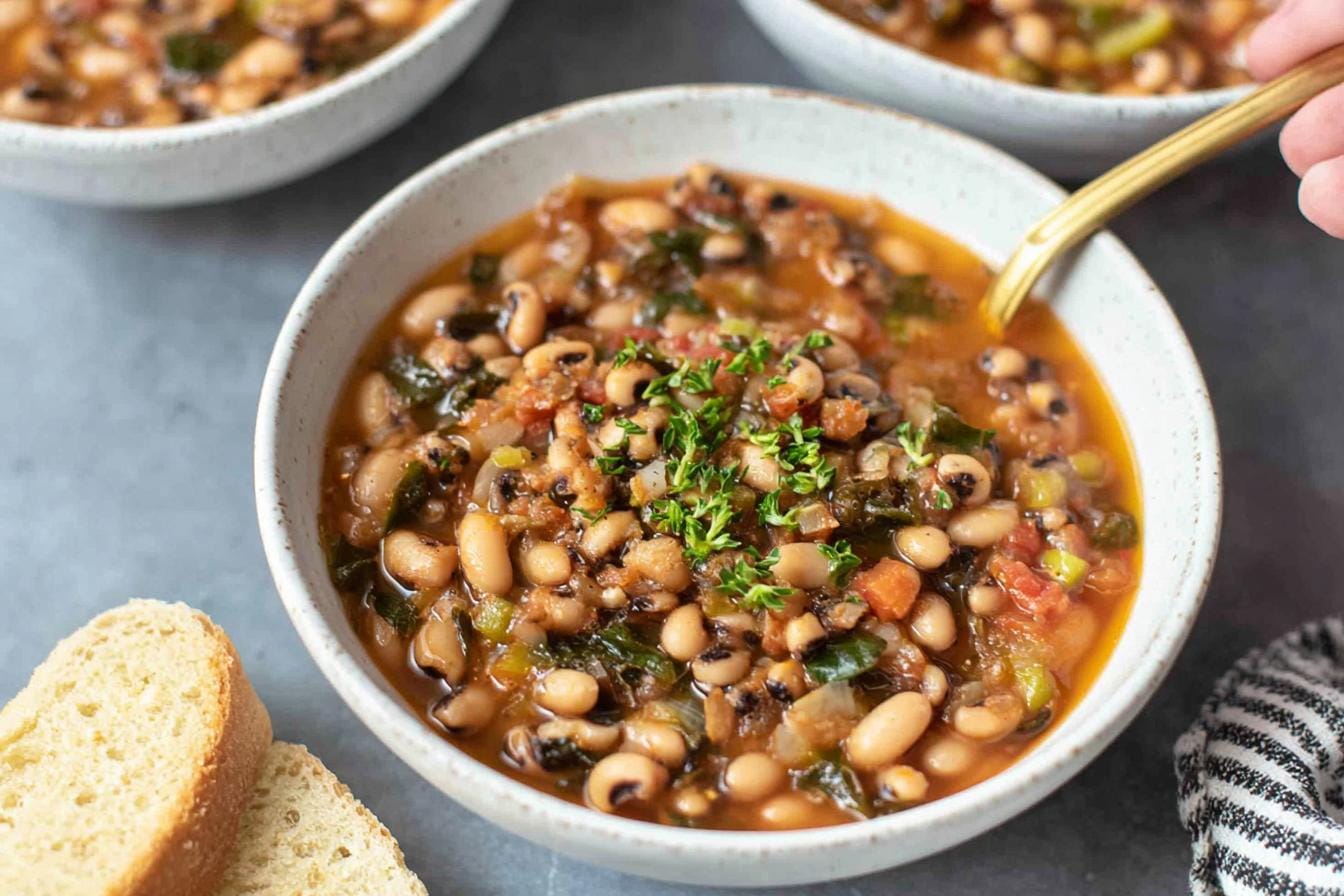
From New Year Luck to Nourishing Ladero: The Black Eyed Pea Story
The humble black eyed pea, with its distinctive dark 'eye,' holds a fascinating dual identity across cultures and continents. For many, especially in the Southern United States, it’s a cherished symbol of prosperity and good fortune, traditionally gracing New Year’s Day tables. Yet, travel across the Atlantic to the sun-drenched shores of Greece, and you’ll find this same legume celebrated for its earthy goodness and profound nutritional value, embodying the spirit of the Mediterranean diet. Whether you’re seeking a boost of luck or a bowl of wholesome comfort,
black eyed pea soup offers a culinary journey that’s both rich in flavor and steeped in tradition.
The Lucky Legume: A New Year Tradition (and Beyond)
In the United States, particularly throughout the South, the consumption of black eyed peas on New Year’s Day is a time-honored tradition. Legend has it that eating these humble legumes, often prepared as a savory
black eyed pea soup or Hoppin' John, will bring wealth and good fortune in the coming year. Each pea is said to represent a coin, promising financial abundance, while accompanying collard greens symbolize paper money. This ritual transforms a simple meal into a powerful act of hope and intention, binding communities in shared tradition as they usher in a fresh start.
But the appeal of black eyed peas extends far beyond their symbolic luck. Their mild, earthy flavor and tender texture make them an incredibly versatile ingredient, capable of absorbing and enhancing a wide array of spices and aromatics. This inherent adaptability is, in its own way, a form of culinary luck. Whether simmering in a rich, smoky broth or brightened with fresh herbs and lemon, black eyed peas provide a satisfying base that’s both comforting and nutritious. Their ability to deliver a hearty meal with minimal effort makes them a practical choice for busy weeknights, embodying a different kind of fortune – the gift of a wholesome, delicious dish that takes care of you.
From Greek Islands to Your Kitchen: The Mediterranean Connection
While New Year's traditions dominate the narrative of black eyed peas in America, a different, equally compelling story unfolds in the Mediterranean. In Greece, black eyed peas are known as
mavromatika, and they are a beloved staple, particularly on islands like Crete and in regions like the Peloponnese. Here, they are not primarily associated with luck but with the everyday joy of simple, nourishing food, often served during the Lenten season.
The most traditional Greek preparation is often a
ladero – a quintessential category of Greek cooking. A
ladero dish is vegetable-forward, cooked gently in generous amounts of olive oil until tender and deeply flavorful. This philosophy is evident in
mavromatika, where black eyed peas are simmered with core ingredients like onions, garlic, abundant extra virgin olive oil, and often leafy greens such as
vlita (amaranth greens). Some regional variations might add a touch of tomato for depth, while others keep the broth clear and bright with a squeeze of fresh lemon. The emphasis is on highlighting the natural flavors of high-quality, modest ingredients, prepared with care to create a deeply satisfying and wholesome meal.
A Greek-inspired
black eyed pea soup, drawing from this tradition, often features tender black eyed peas simmered with the subtle sweetness of fennel, the rich depth of slow-cooked tomatoes, and the freshness of spinach, all bathed in golden olive oil. This approach creates an aromatic, deeply nourishing dish that contrasts with the often smoky and savory profile of its Southern counterpart, yet shares the same core value of transforming a humble legume into something extraordinary. The generous use of olive oil not only imparts a silky texture and robust flavor but also contributes to the renowned health benefits of the Mediterranean diet.
Crafting Your Perfect Black Eyed Pea Soup: A Culinary Canvas
The beauty of
black eyed pea soup lies in its incredible versatility. It truly is a culinary canvas, allowing home cooks to explore a spectrum of flavors, from Southern smoky to Mediterranean bright. Understanding the key elements and how they interact can help you create a soup that perfectly suits your palate and traditions. For a deeper dive into how different broths and spices transform your soup, check out our guide on
Mastering Black Eyed Pea Soup: Broth, Spices & Hearty Goodness.
Flavor Profiles: Southern Heartiness vs. Mediterranean Brightness
*
Southern Heartiness: A classic Southern
black eyed pea soup often embraces rich, smoky flavors. This typically involves aromatics like onion, garlic, and celery, sautéed until fragrant. Smoked paprika is a common star, lending a beautiful color and deep, savory notes, often complemented by earthy thyme. The broth choice is crucial here – vegetable broth for a vegan option, chicken broth for richness, or even smoked ham broth (or a ham hock added during simmering) for an unparalleled depth of savory, almost bacon-like flavor. Collard greens are a frequent addition, wilting into the soup to provide a slightly bitter contrast and a wealth of nutrients.
*
Mediterranean Brightness: In contrast, a Mediterranean-inspired
black eyed pea soup, like
mavromatika, emphasizes freshness and the vibrant flavors of the sun-drenched region. Here, extra virgin olive oil is not just a cooking fat but a core flavor component. Fennel often takes center stage, offering a delicate anise-like sweetness. Tomatoes, whether fresh or canned, add a gentle acidity and body, while leafy greens like spinach or kale are added towards the end to maintain their freshness. Lemon juice, drizzled in just before serving, provides a crucial burst of brightness, elevating the entire dish. Fresh herbs like dill, oregano, or parsley are also common.
Essential Ingredients and Their Roles
Regardless of the regional style you choose, some ingredients form the backbone of any great
black eyed pea soup:
*
Black Eyed Peas: The star! Whether dried (requiring soaking) or canned (rinse well), they provide the hearty texture and mild flavor.
*
Aromatics: Onions and garlic are universal, forming the flavorful base. Celery and carrots are often added in Southern versions, while fennel might appear in Mediterranean recipes.
*
Liquids: Broth is key. Vegetable broth keeps it vegan, chicken broth adds body, and smoked ham broth (or ham hock) delivers traditional Southern depth. Water can also be used, especially in lighter Greek preparations, relying on olive oil and aromatics for flavor.
*
Greens: Collard greens for Southern tradition, spinach or kale for Mediterranean inspiration. They add nutrients, color, and texture.
*
Fat: Olive oil is non-negotiable for Greek styles, while a mix of olive oil and a touch of butter or bacon fat might be used in Southern recipes.
*
Seasonings: Salt, black pepper are essential. Beyond that, thyme and smoked paprika are Southern favorites, while fresh herbs, lemon zest, and dried oregano lean Mediterranean.
Cooking Methods for Convenience and Flavor
Black eyed pea soup is remarkably adaptable to various cooking methods, making it accessible for any lifestyle:
*
Dutch Oven: The classic choice for slow simmering on the stovetop. This method allows flavors to meld beautifully over time, developing a rich, deep profile. It's excellent for building layers of flavor by sautéing aromatics before adding liquids and peas.
*
Slow Cooker (Crock-Pot): Perfect for a hands-off approach. Simply combine ingredients in the morning and return to a tender, flavorful soup by evening. This method excels at breaking down the peas and greens into a silky, comforting texture.
*
Instant Pot: When time is of the essence, the pressure cooker can transform dry black eyed peas into tender submission in a fraction of the time. It’s ideal for busy weeknights, delivering deep flavor quickly.
For more detailed recipes and step-by-step instructions on various styles, including the delicious fusion of traditions, explore our article
Black Eyed Pea Soup: Southern Comfort Meets Greek Mavromatika.
Beyond the Bowl: Health Benefits and Dietary Flexibility
Beyond their cultural significance and delicious taste, black eyed peas are nutritional powerhouses. They are an excellent source of dietary fiber, which is crucial for digestive health, blood sugar regulation, and promoting a feeling of fullness – a definite "lucky" win for anyone managing their weight. They also provide a substantial amount of plant-based protein, making
black eyed pea soup an ideal meal for vegans, vegetarians, and anyone looking to reduce their meat consumption.
Rich in essential vitamins and minerals, including folate, iron, magnesium, and potassium, black eyed peas contribute to overall well-being. The inclusion of fresh vegetables like spinach, collard greens, tomatoes, and fennel further boosts the nutrient profile, packing each spoonful with antioxidants and various micronutrients. This makes
black eyed pea soup a genuinely nourishing choice, whether you're observing a Lenten diet, following a heart-healthy regimen, or simply seeking wholesome comfort food. It's a testament to how humble ingredients, when prepared with care and tradition, can offer profound benefits for both body and soul.
In conclusion, the journey of the black eyed pea – from a symbol of New Year’s prosperity in the American South to a staple of nourishing
ladero dishes in Greece – highlights its remarkable versatility and universal appeal.
Black eyed pea soup is more than just a meal; it's a bridge between cultures, a celebration of humble ingredients, and a testament to the power of simple, wholesome cooking. Whether you're seeking good fortune or simply a deeply satisfying and healthy dish, inviting this incredible legume into your kitchen promises a rewarding experience. So, gather your ingredients, choose your tradition, and savor a bowl of this remarkable, storied soup.